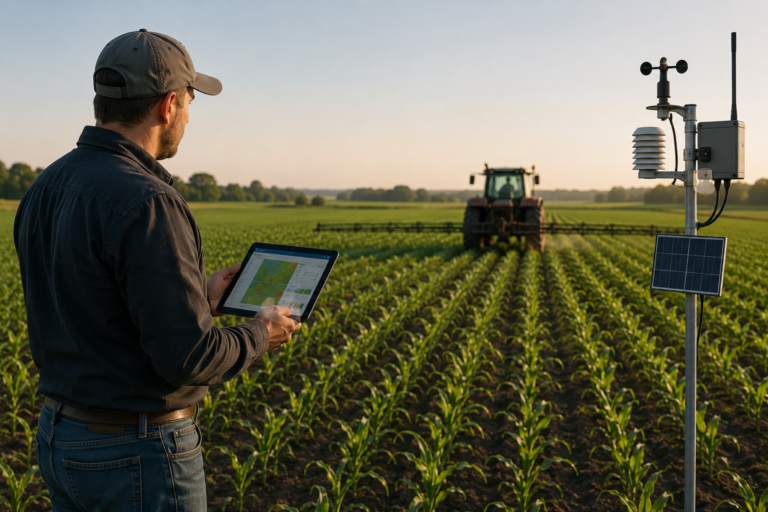
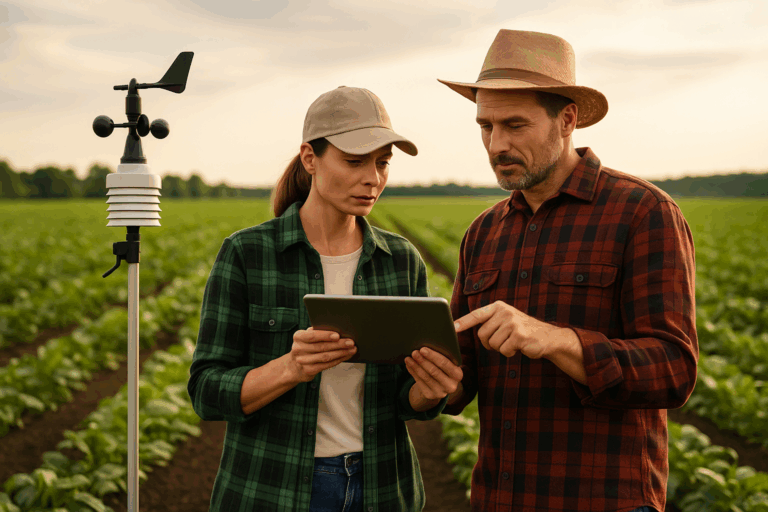
Smart farming technologies can help farmers monitor crops, manage inputs more precisely and make better-informed decisions. However, adoption remains limited in many European farming contexts. The challenge is not simply a lack of interest. Farmers often face fragmented information, uncertain benefits, high costs and difficulty accessing the right expertise. A technology may look promising, but farmers still need to understand whether it is suitable for their crops, compatible with existing systems and worth the investment.
Limited information and access to expertise
The growing number of available technologies can make decision-making more difficult rather than easier. Information is often technical, scattered or focused on product promotion, while farmers may struggle to compare options or identify which tools are relevant to their own production systems. Adoption may also require input from advisors, researchers, technical specialists, technology providers and experienced farmers. Finding the right people and bringing them into the same process is not always straightforward, particularly where agricultural knowledge and innovation systems are fragmented.
Costs and uncertain benefits
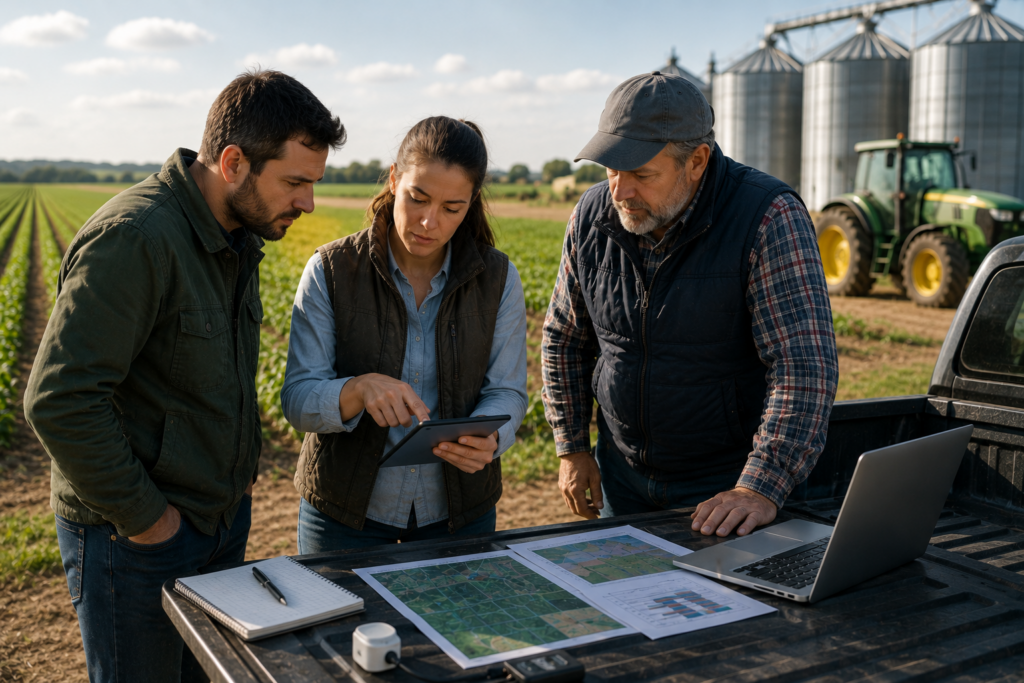
The cost of adoption extends beyond the initial purchase. It may include software subscriptions, equipment upgrades, installation, maintenance, training, data services and specialised advice. At the same time, expected benefits may be difficult to assess. A solution that performs well on one farm may not deliver the same value on another. Farmers therefore need practical evidence, demonstrations and peer experience to understand whether a technology can genuinely improve their production system. Infrastructure limitations, weak rural connectivity and uncertainty around data ownership and privacy can create additional barriers.
Moving towards supported adoption
Smart farming adoption should not be driven by technology promotion alone. Farmers need impartial guidance, access to relevant expertise and support throughout assessment, implementation and learning.
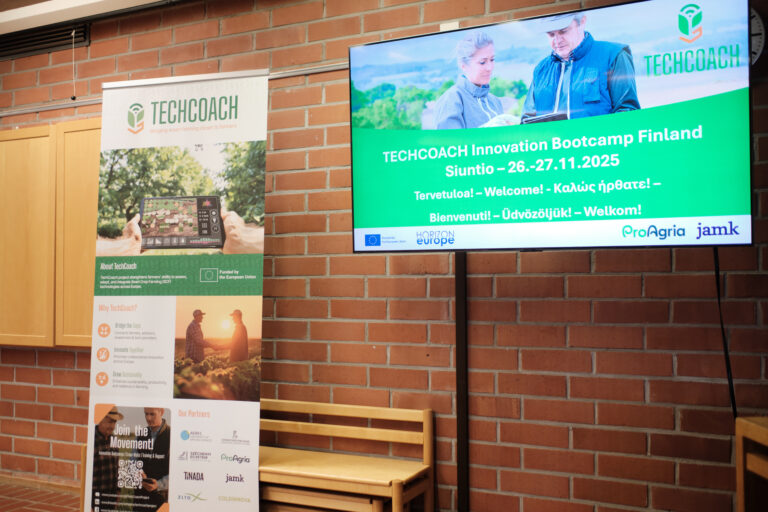
TECHCOACH addresses these challenges by strengthening farmer-centred, multi-actor advisory systems. Through national networks, Innovation Bootcamps, advisor training, cross-visits and knowledge exchange, the project connects farmers with advisors, researchers, Operational Groups, technology providers and other AKIS actors.
By improving access to trusted knowledge, practical experience and appropriate support, TECHCOACH helps farmers assess Smart Crop Farming technologies more confidently and adopt them where they offer real farm-level value.