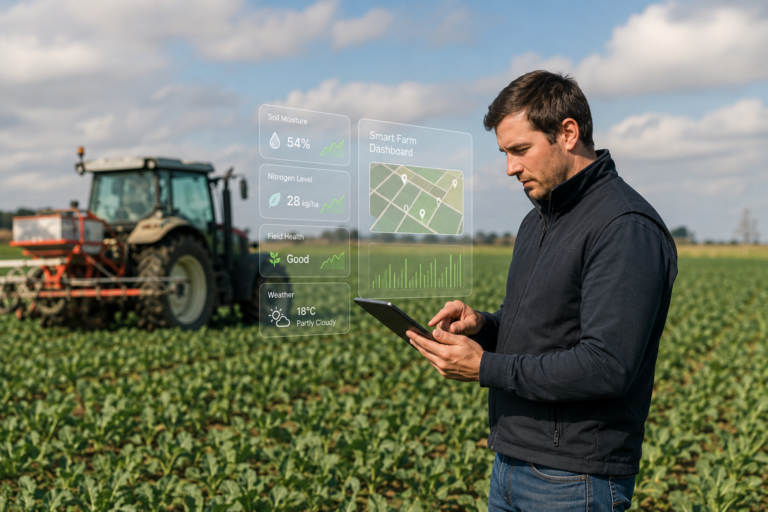
Digital technologies are changing not only how crops are managed, but also how agricultural advice is delivered. Farmers can now receive information from sensors, satellite platforms, farm-management systems, online tools, machinery and technology providers. The challenge is no longer simply accessing information. It is deciding which information is relevant, how reliable it is and how it should influence farm-level decisions. Digital technologies are changing not only how crops are managed, but also how agricultural advice is delivered. Farmers can now receive information from sensors, satellite platforms, farm-management systems, online tools, machinery and technology providers. The challenge is no longer simply accessing information. It is deciding which information is relevant, how reliable it is and how it should influence farm-level decisions.
Starting with the farmer’s needs
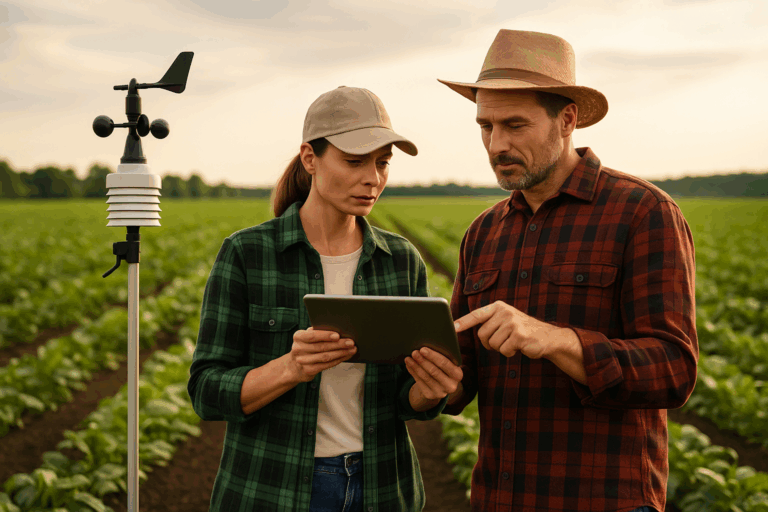
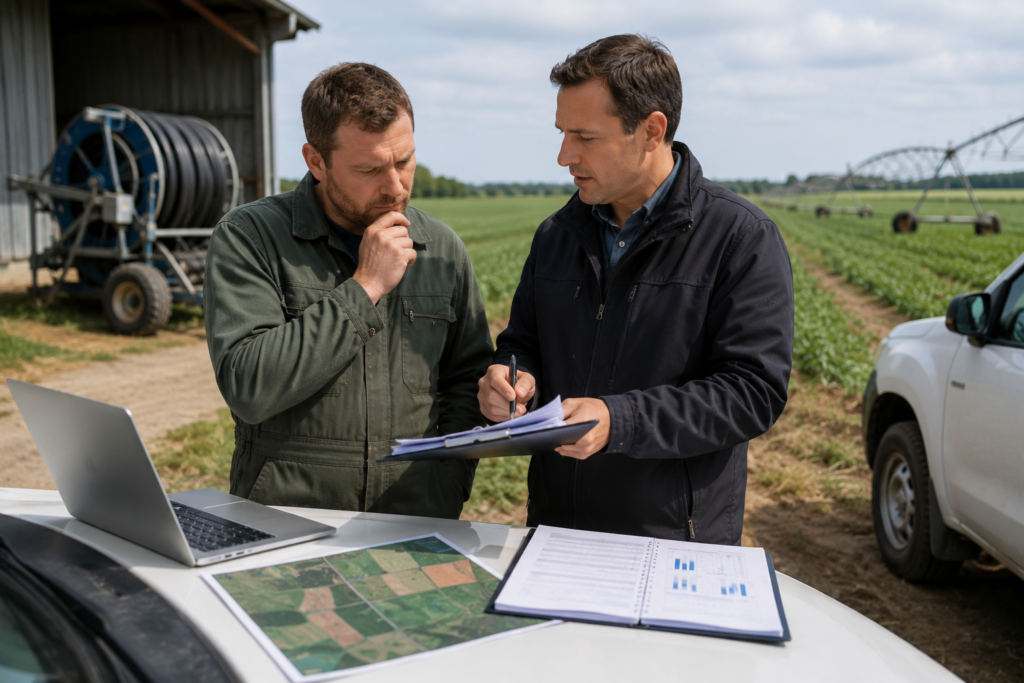
Effective advisory support does not begin with the technology. It begins with the farm. Before discussing a digital tool, an advisor needs to understand the farmer’s objectives, production challenges, existing practices, resources and capacity for change. The same challenge can require different solutions on different farms. A farmer seeking to reduce irrigation costs may need a sensor-based system, improved scheduling practices, infrastructure upgrades or a combination of these. Another farmer may already collect useful data but need support interpreting it. By beginning with the farmer’s needs, advisors can help prevent technology from becoming the objective itself. The focus remains on solving a defined problem or improving a particular aspect of farm management.
Starting with the farmer’s needs
Smart Crop Farming technologies can differ widely in their cost, complexity, data requirements and practical application. Advisors can support farmers in examining questions such as:
- What problem does the technology address?
- Is it suitable for the farm’s crops, scale and local conditions?
- What equipment or infrastructure is required?
- Can it be integrated with existing machinery or software?
- What training and maintenance will be needed?
- Who will own and manage the data?
- What are the expected costs and benefits?
- What happens if the service or technology provider is no longer available?
This assessment process helps farmers move beyond promotional claims and consider the full implications of adoption. Importantly, an advisor’s role is not always to recommend adoption. In some cases, the most appropriate advice may be to test a solution on a limited area, wait until the technology is more mature or consider a simpler alternative.
Connecting different forms of expertise
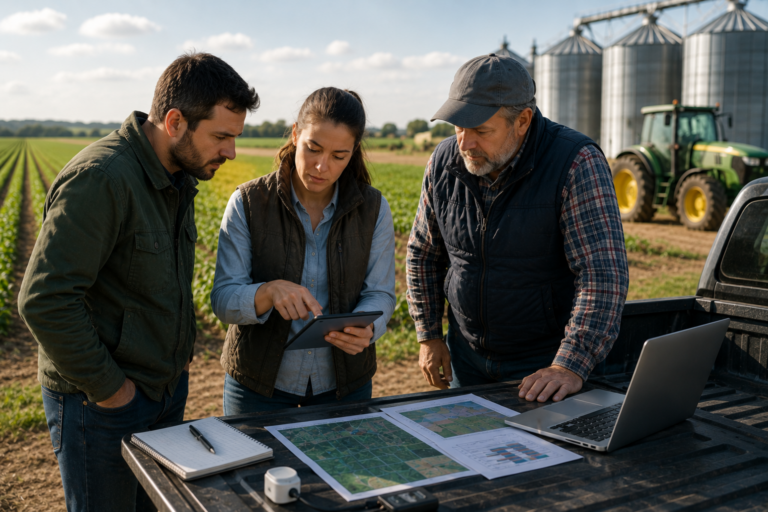
The growing complexity of Smart Crop Farming makes it difficult for any individual advisor to provide complete, up-to-date guidance alone. A decision may require knowledge from agronomists, engineers, data specialists, researchers, farm business advisors, technology providers and experienced farmers. Advisors increasingly act as connectors within this wider network. They can identify when additional expertise is required, bring relevant actors together and help translate between technical and practical perspectives. This networking role is particularly valuable within Agricultural Knowledge and Innovation Systems. Stronger connections between farmers, advisors, Operational Groups, research organisations and industry can make knowledge easier to access and more responsive to local needs. It can also reduce the risk that farmers receive isolated or contradictory recommendations from actors who understand only one part of the challenge.
Advisors as Guides Through the Digital Transition
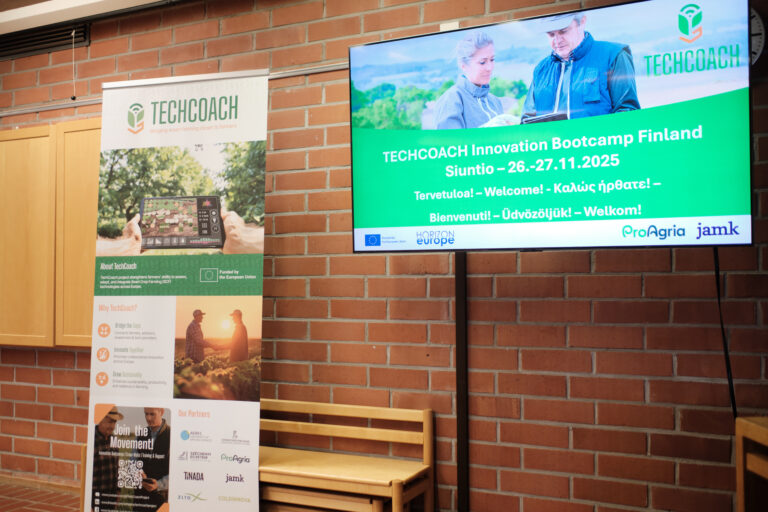
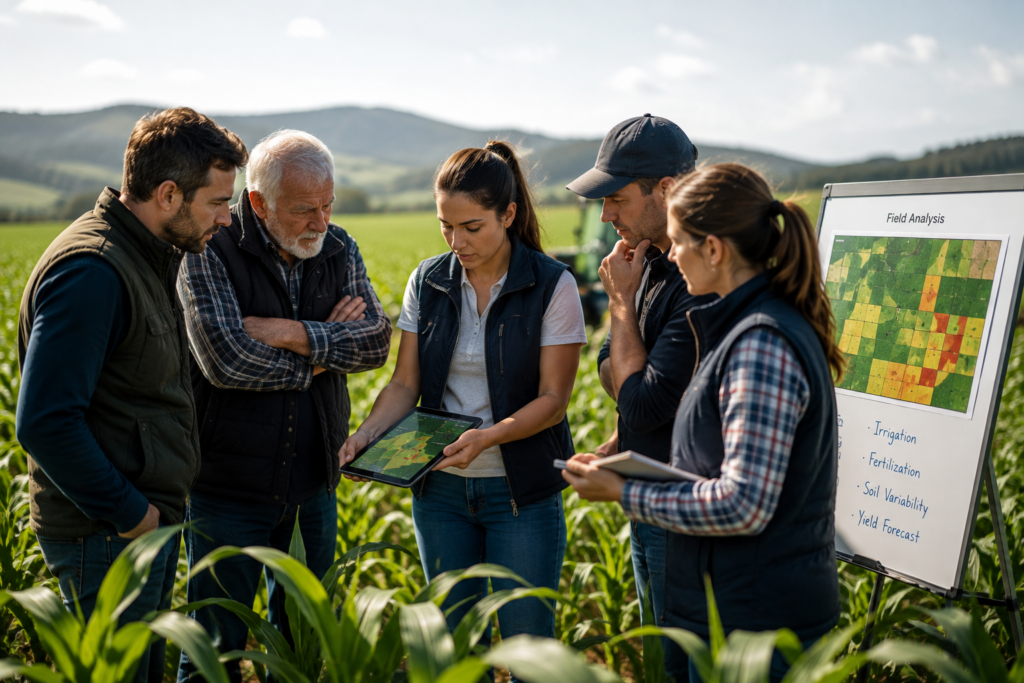
Advisors and innovation facilitators play an important role in helping farmers navigate the digital transition. Through workshops, Innovation Bootcamps, demonstrations and Operational Group meetings, they bring together farmers, researchers, technology providers and other actors to examine challenges, compare possible solutions and turn discussions into practical next steps. Their role is not simply to introduce technologies, but to structure collaboration, ensure that different perspectives are considered and keep the process connected to the farmer’s priorities.
They also help farmers interpret data, compare technologies impartially and evaluate whether a solution is suitable, affordable and compatible with existing practices. Their support continues beyond the initial decision, including installation, calibration, monitoring and adjustment as farmers gain experience. In this way, advisors increasingly act as guides, connectors and partners in innovation, combining agronomic knowledge with communication, data interpretation and collaboration skills to help farmers adopt technologies with greater confidence.
Strengthening advisory capacity through TECHCOACH
The changing role of agricultural advisors is a central focus of the TECHCOACH project.
As Smart Crop Farming technologies become more complex, advisors need more than technical knowledge of individual tools. They also need the ability to identify farmer needs, facilitate collaborative processes, connect different areas of expertise, interpret data and support farmers throughout implementation and learning.
TECHCOACH strengthens these capacities by bringing together advisors, farmers, Operational Groups, researchers, technology providers and other AKIS actors through national networks and European knowledge exchange. Its activities include facilitator training, Innovation Bootcamps, cross-visits and the development and sharing of practical resources. These activities help advisors gain experience in multi-actor collaboration and explore approaches that can be adapted to different crops, regions and advisory environments.
TECHCOACH also recognises that no advisor can be an expert in every emerging technology. Strong advisory services therefore depend not only on individual knowledge, but also on the ability to access wider networks, involve the right specialists and ensure that the farmer remains at the centre of the decision-making process.
By strengthening these connections and competencies, TECHCOACH supports agricultural advisors in becoming effective guides through the digital transition, helping farmers move from technological possibilities to informed, practical and context-specific solutions.