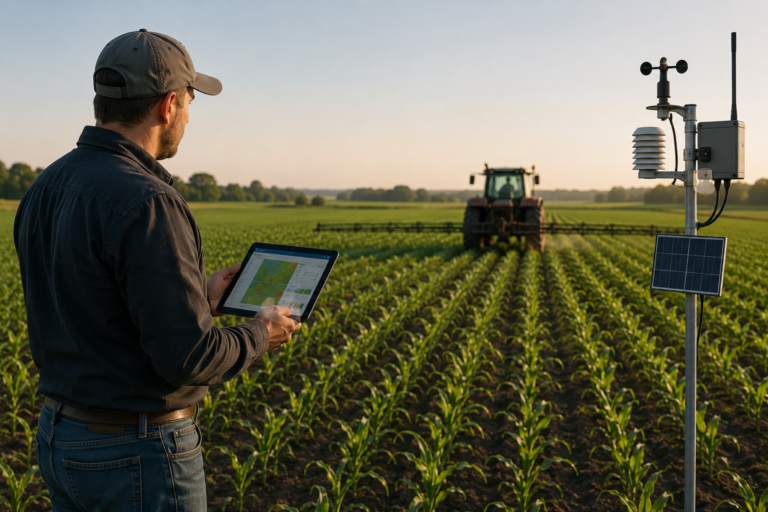
Across Europe, farmers are increasingly being asked to adopt digital and Smart Crop Farming technologies. Yet adoption is rarely straightforward. High investment costs, limited access to reliable advice, difficulties in interpreting agricultural data and uncertainty about the practical value of available tools can all slow down the transition.
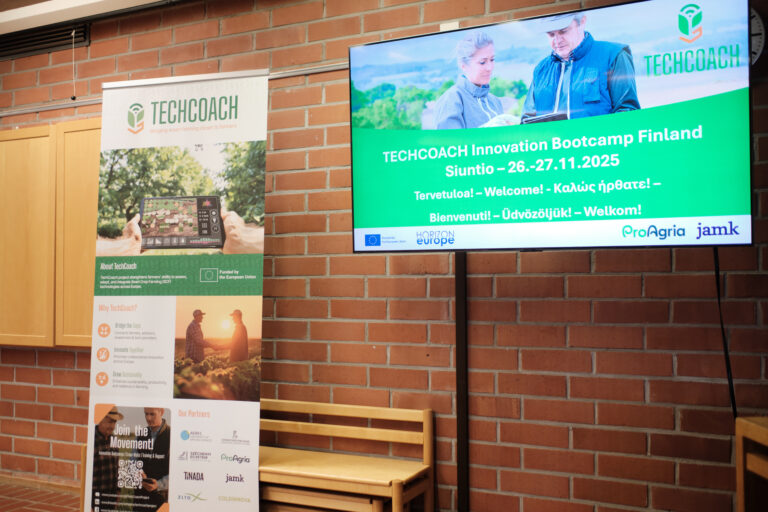
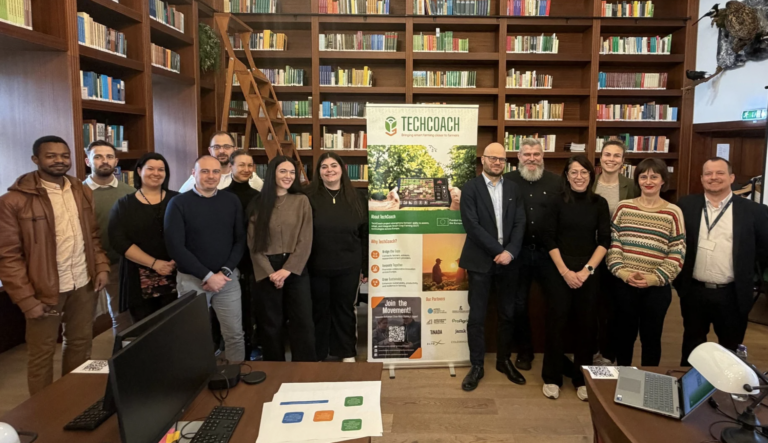
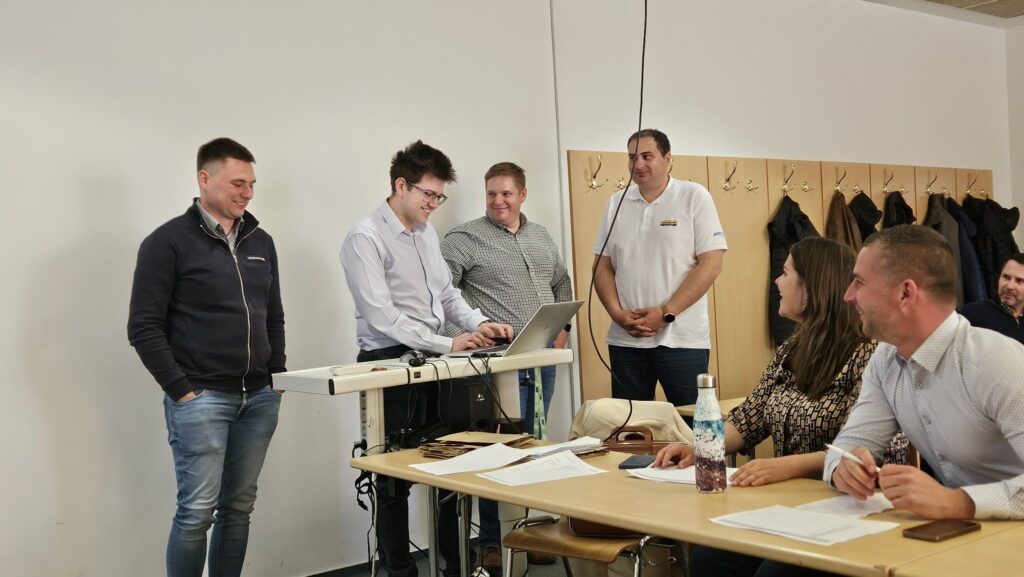
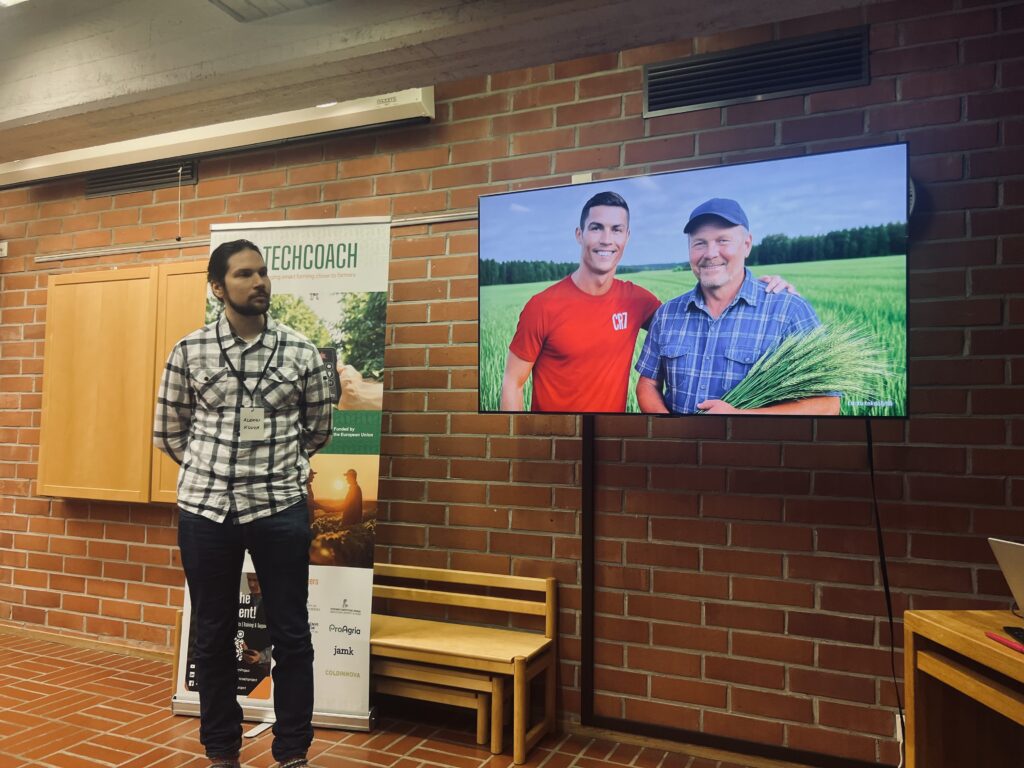
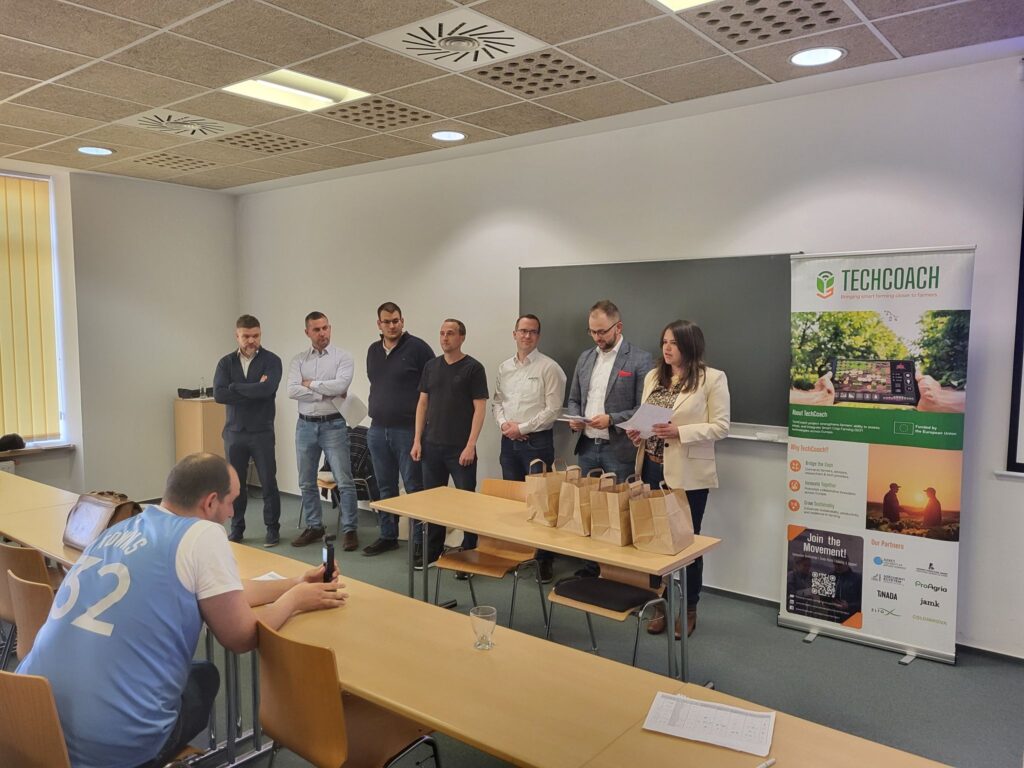
To address these challenges, TECHCOACH organised five national Innovation Bootcamps in Finland, Hungary, the Netherlands, Italy and Greece. These events brought together farmers, advisors, researchers, Operational Groups, AKIS actors, students and technology providers to work collaboratively on real farm-level challenges.
The objective was not simply to present technologies. It was to create spaces where participants could openly discuss their needs, exchange experiences and co-develop practical solutions that respond to local agricultural realities.
A farmer-centred approach to innovation
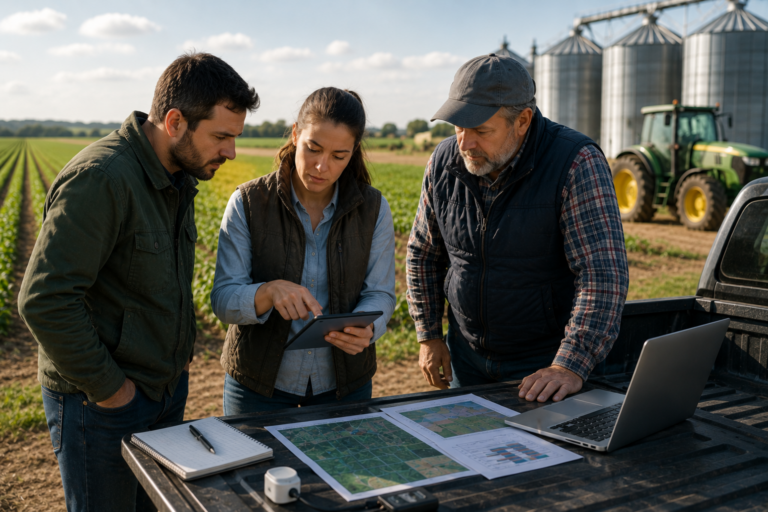
The TECHCOACH Innovation Bootcamps were designed around the principles of co-innovation and the Multi-Actor Approach. Farmers were not treated as the final users of solutions developed elsewhere. Instead, they were actively involved in identifying challenges, assessing available technologies, shaping ideas and proposing follow-up actions.
Depending on the national context, the Innovation Bootcamps combined:
- Challenge definition
- Facilitated group discussions
- Collaborative ideation
- Mentoring from specialists
- Practical demonstrations and farm visits
- Development of solution concepts
- Peer feedback
- Final presentations or pitches
This structured process helped participants move beyond general discussions and focus on practical questions: What does the farmer actually need? Is the proposed solution affordable? Is it easy to use? Who can provide support? And what would be required to apply it on a real farm?
The five Bootcamps also aimed to strengthen national agricultural networks and create professional relationships that could continue beyond the individual events.


Common lessons across the five countries
Although each Innovation Bootcamp focused on different crops, technologies and national conditions, several common messages emerged.
Technology alone is not enough
The success of Smart Farming depends on more than the technical performance of a tool. Farmers also need to understand its practical value, costs, limitations and compatibility with existing farm operations.
Farmers must be involved from the beginning
Solutions are more relevant and more likely to be adopted when farmers contribute directly to defining the challenge and evaluating possible responses.
Trusted advice remains essential
Independent advisors and facilitators can help farmers compare options, interpret data and make better-informed investment decisions.
Peer learning builds confidence
Farm visits, demonstration farms, study groups and farmer-to-farmer exchange make innovation more tangible and credible.
Solutions must fit local conditions
Farm size, crop type, available machinery, climate, soil and existing skills all affect whether a technology can be successfully adopted.
Follow-up matters
A successful Innovation Bootcamp should not end with the final pitch. Study groups, pilot activities, advisory support and continued networking are needed to move promising ideas toward implementation.
More than five events
The five TECHCOACH Innovation Bootcamps generated concrete ideas, field-management recommendations, new professional relationships and practical follow-up actions. Just as importantly, they demonstrated that co-innovation can make discussions about Smart Farming more grounded and useful.
By bringing together people with different types of knowledge, the Bootcamps created space for farmers’ experience, scientific expertise, advisory skills and technological know-how to shape solutions together. The results also, contributed to TECHCOACH Practice Abstracts, training resources and future activities. The five national Bootcamps may have addressed different challenges, but they shared one clear conclusion: